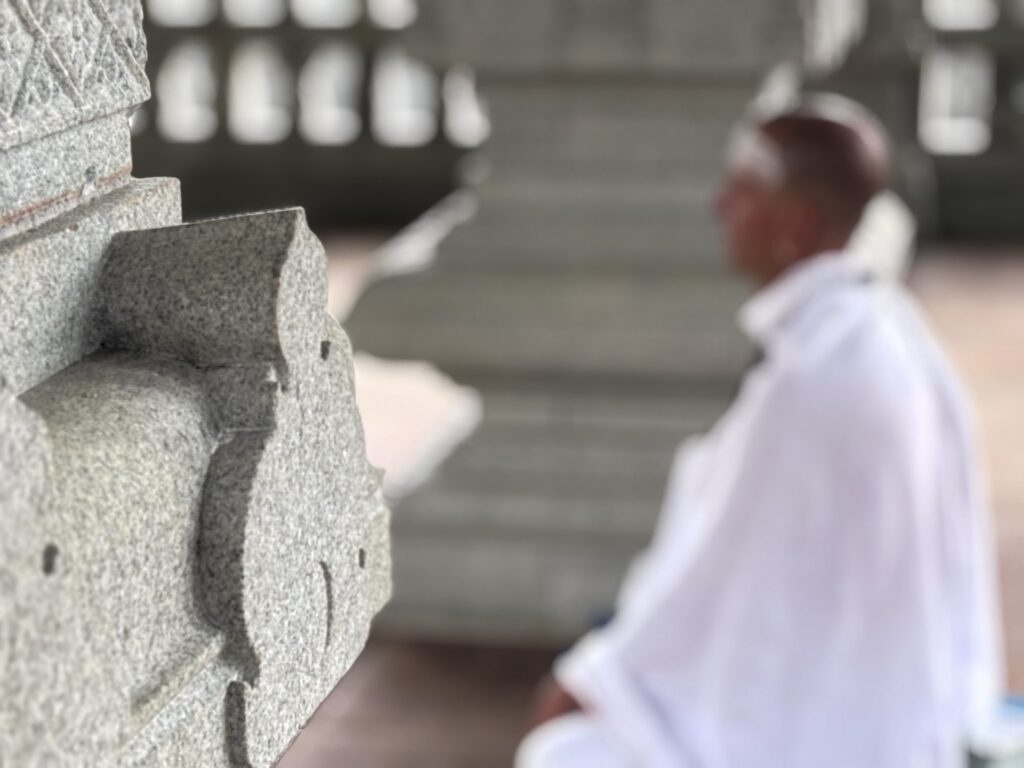
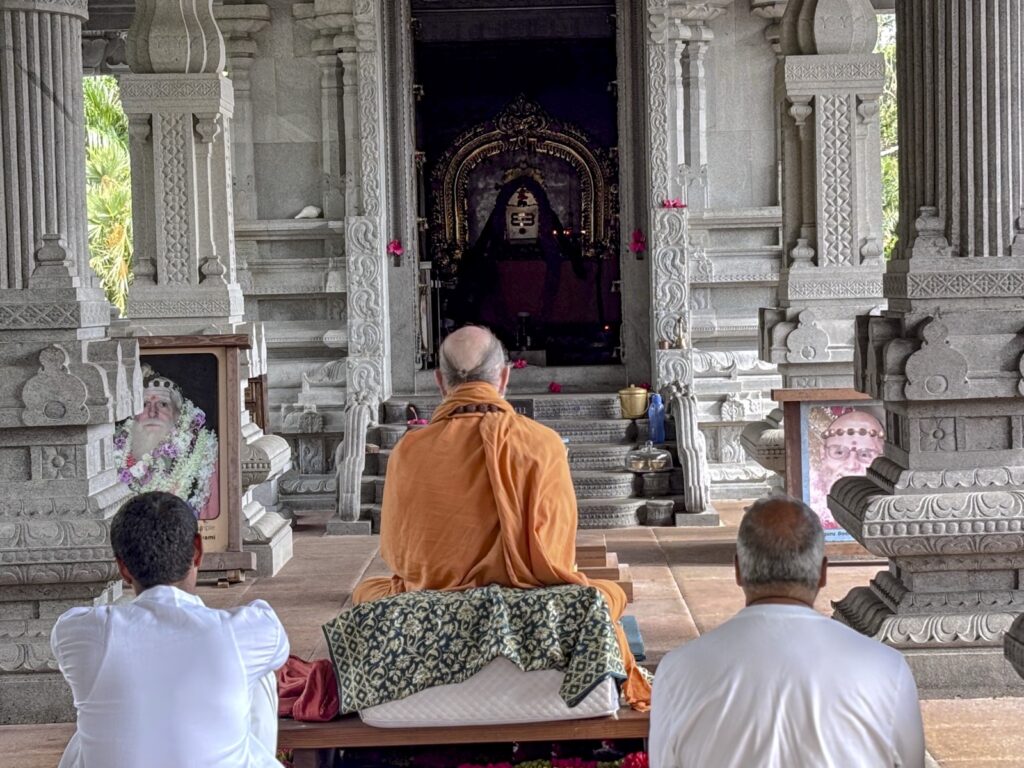
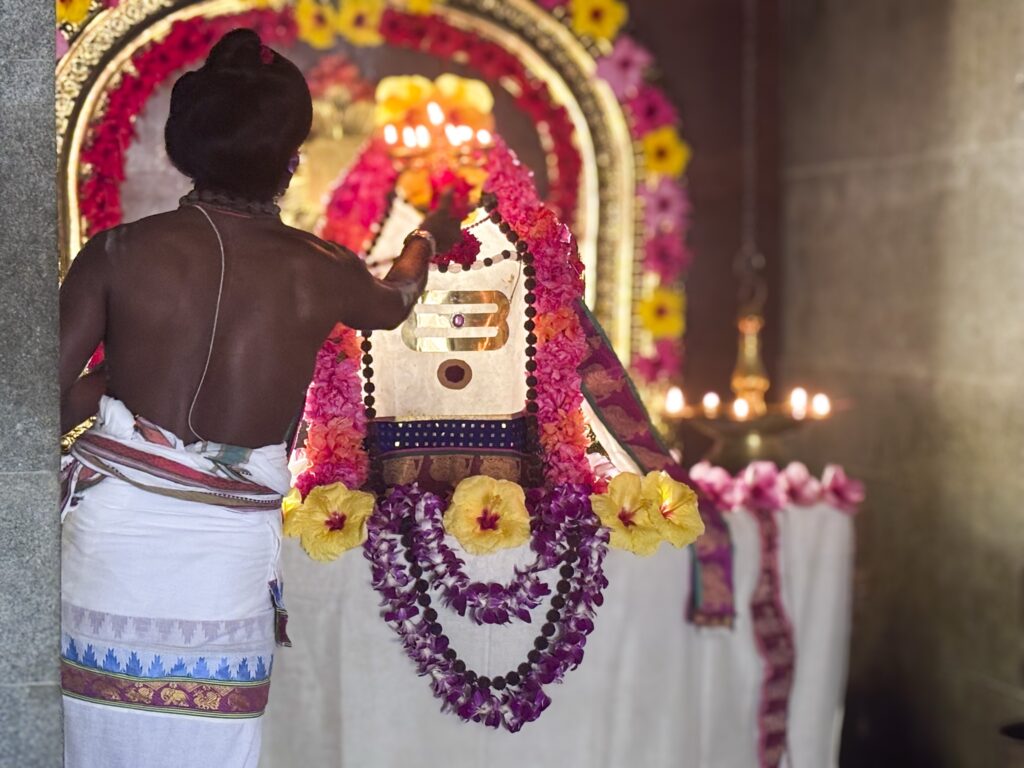
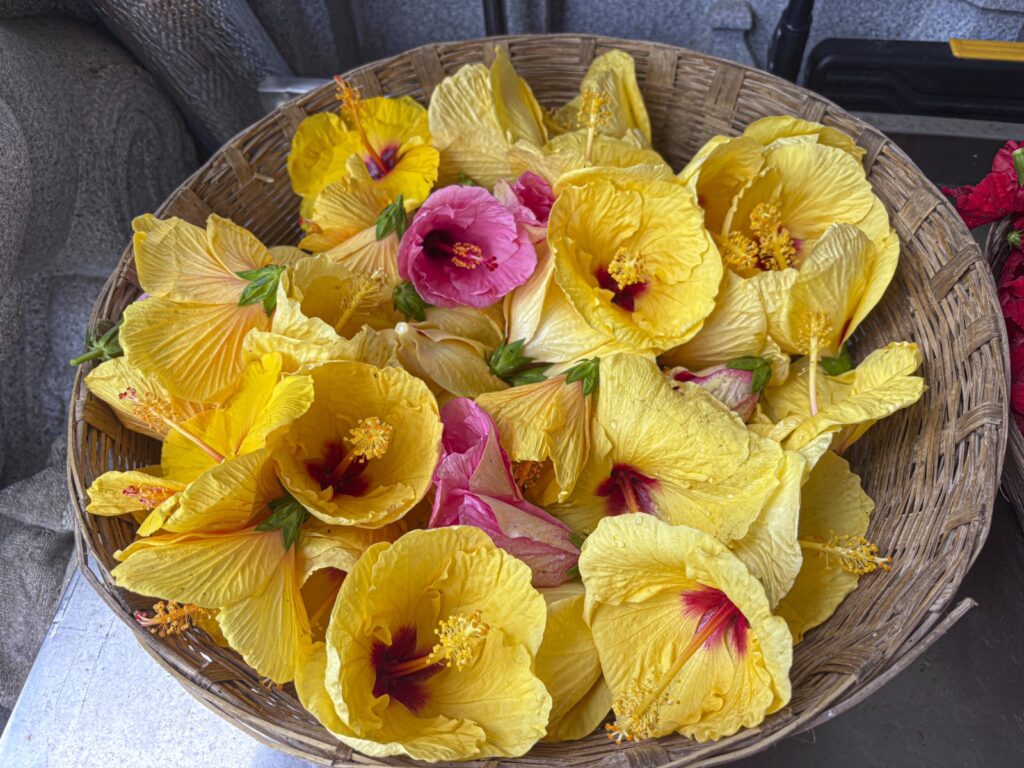
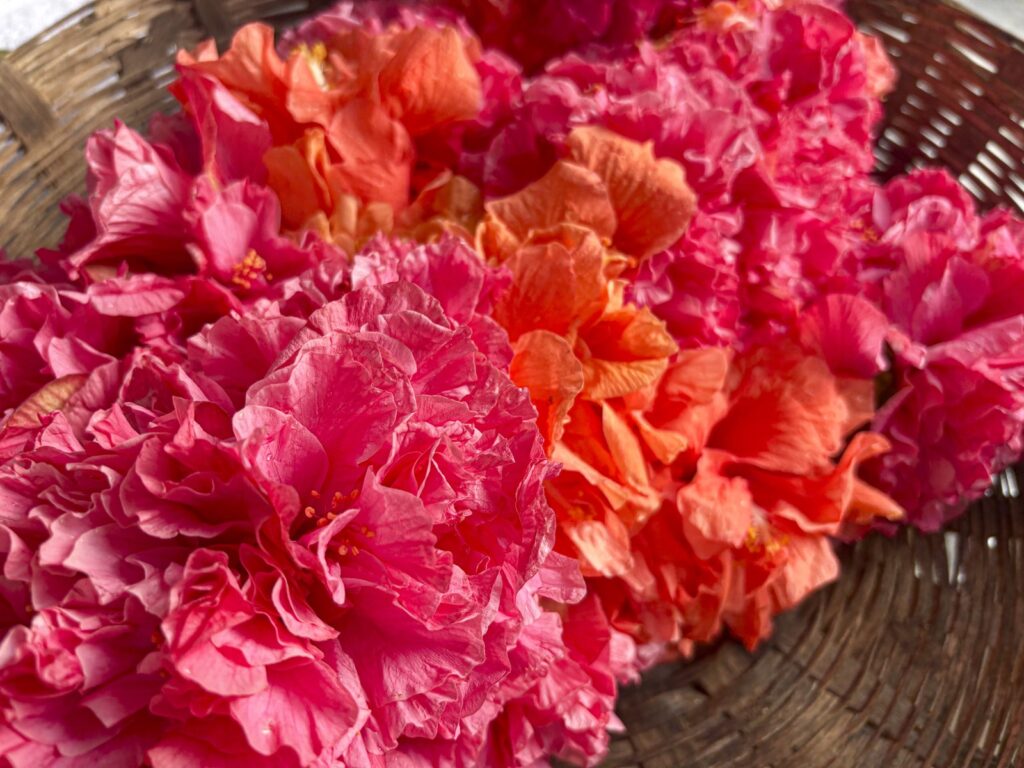
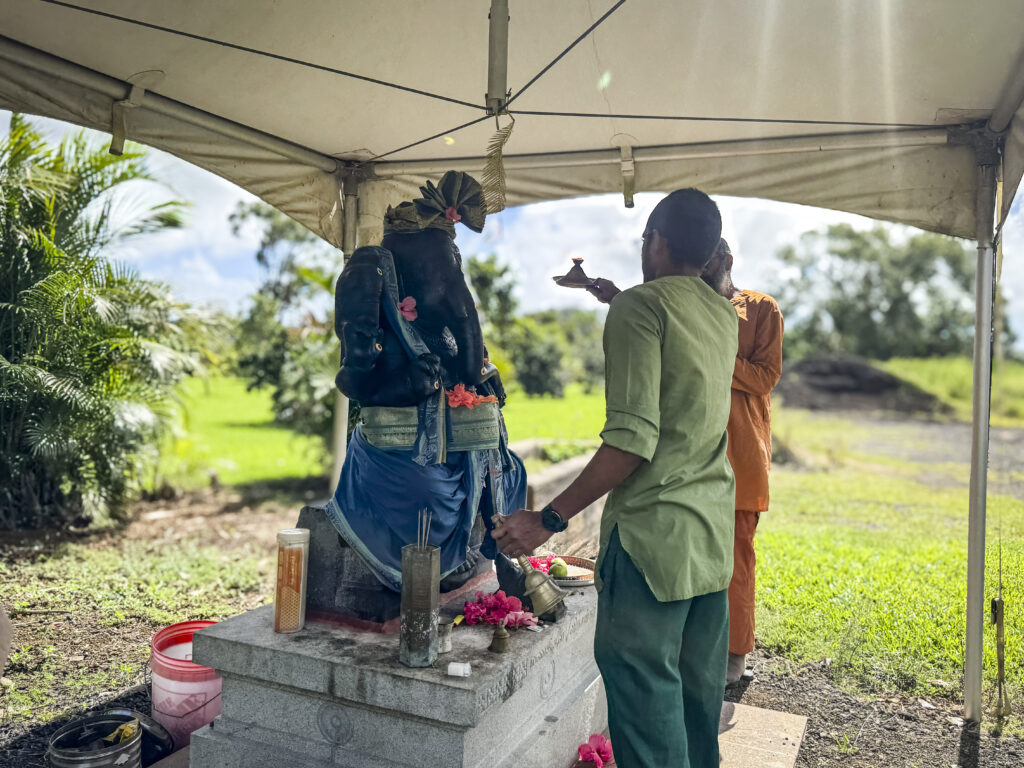
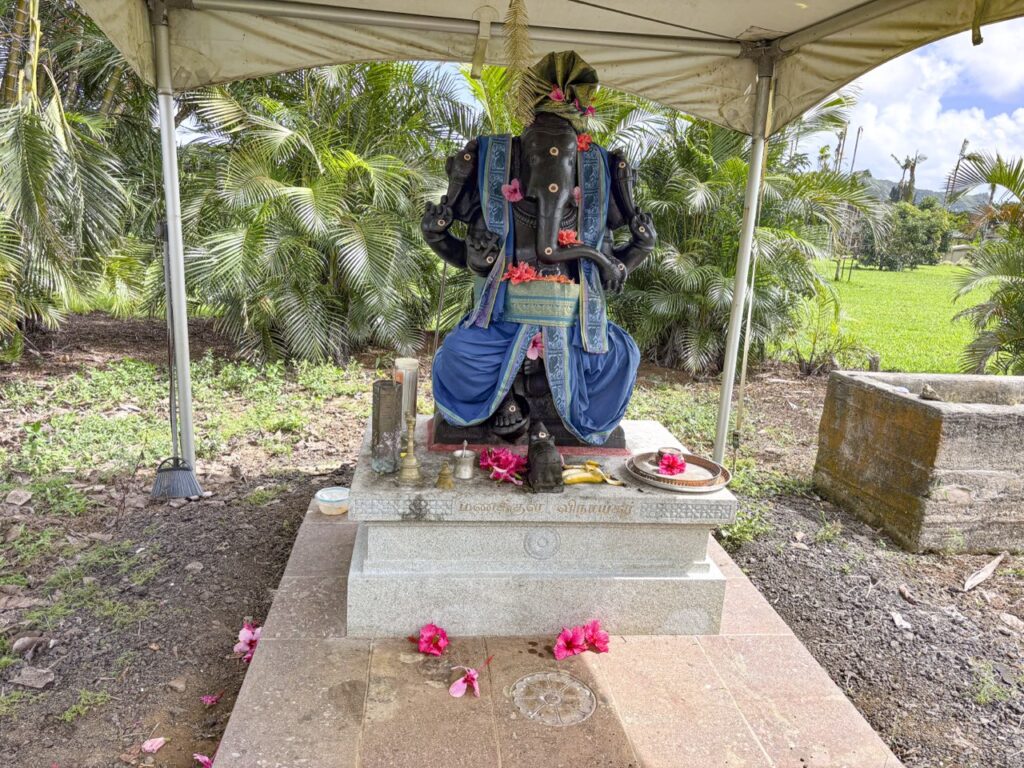
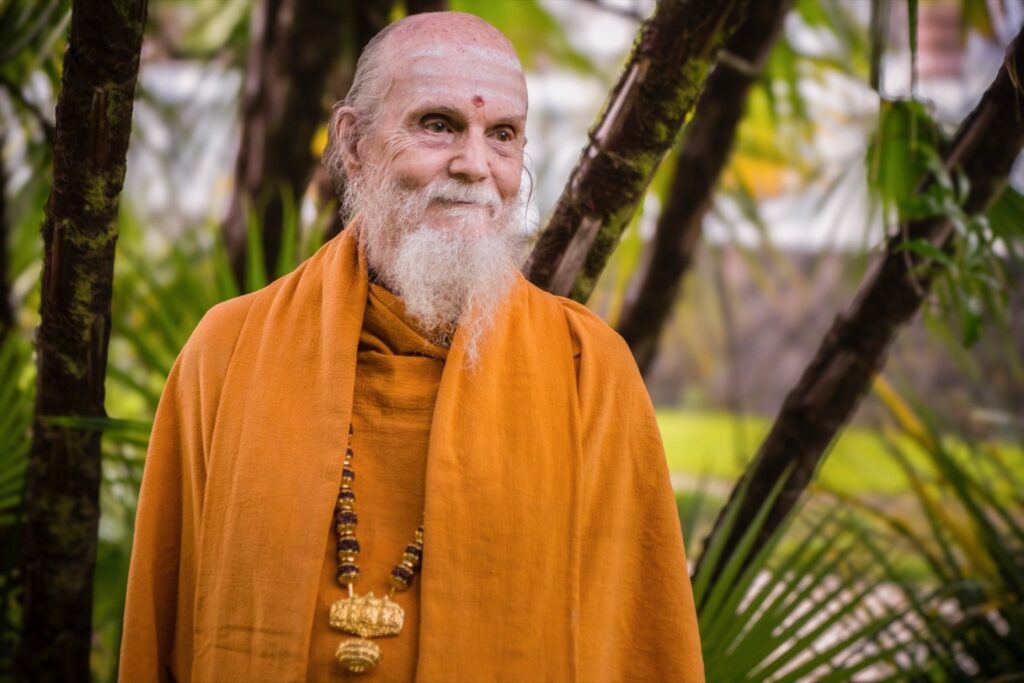
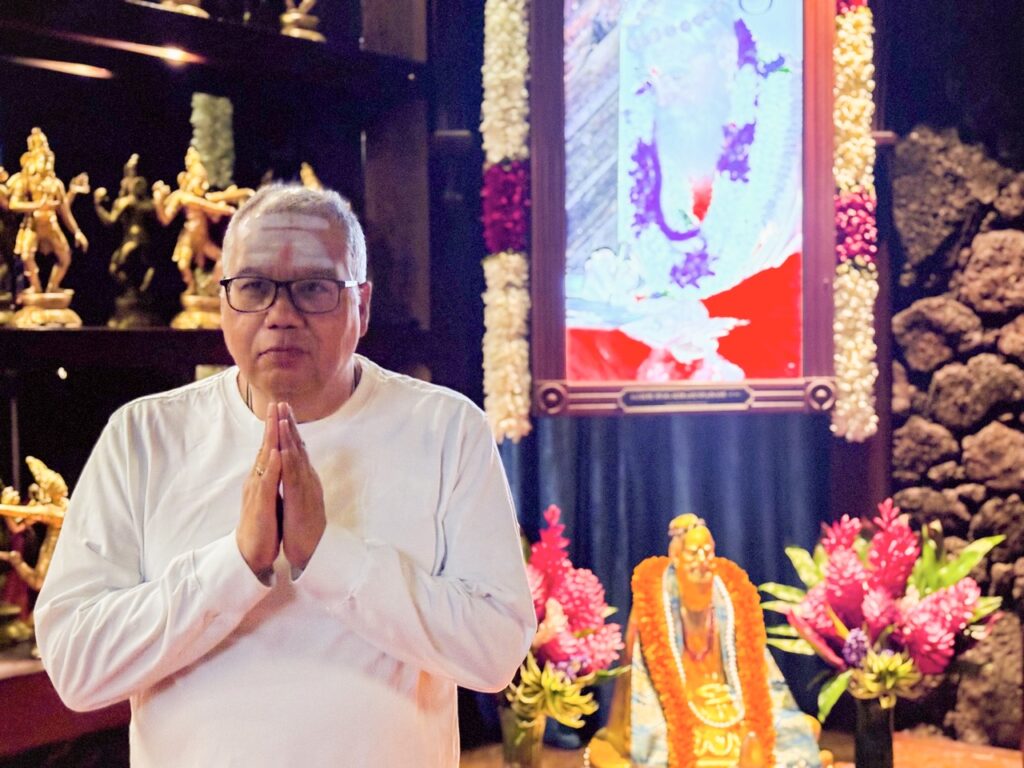
Happy Thai Pusam! On 31st January, the monastery will celebrate Lord Skanda with an abhishekam. Satguru Bodhinatha Veylanswami, the monastics, local members, and visiting devotees will gather in Kadavul Temple for the afternoon puja, performed by Sannyasin Siddhanathaswami. Lord Muruga will be bathed in sacred pranic substances such as milk, citrus, and honey, and will be lovingly adorned with flowers and garlands. Aum
Yes, this is the giant banyan tree near Kadavul, in 1968
Here is the land where Nandi now sits in front of Kadavul Temple with the temple pool behind!
Today we look back in time to early days on Kauai with Gurudeva. It comes as part of our reflections of his life, focused by the fact that in 11 months we will celebrate his 100th birthday in a simple way.
It is a reminder that when Gurudeva moved to Kauai and founded the monastery, it was a rough parcel of land, covered by wild guava and hau bush. There was little hint in those early years of the beauty that the monks would lure forth with decades of creative effort. Instead there was weed tree removal, path building, clay and mud everywhere. But that was then and now is different. So join us in a handful of photos that tell of those early days in the 70s and 80s.
Satguru Bodhinatha Veylanswami gives his weekly upadesha in Kadavul Temple at Kauai’s Hindu Monastery in Hawaii. It is part of a series of talks elaborating on the inspired teachings of Satguru Śivaya Subramuniyaswami as found in his book Merging With Śiva.
“Religion as it is known today is an offshoot of various ethnic groups that gathered together in the twilight of human history and forged systems of law, worship, culture and belief. The unique circumstances of geography, language, communications and race isolated one group from another, and differences were born and preserved: differences of belief and custom. As these small communities varied, so did the systems which satisfied each one. From their inception they absorbed the singular thought patterns postulated by their culture and their leaders, and these distinctions were perpetuated from father to son, from guru to disciple, from one generation to the next. The leader was the shaman, the priest, the āchārya, the philosopher-king. He was well versed in religious matters among them and naturally became the authority, the tribal priest. Religion in the early days was tribal, for man’s early experience was tribal. Being tribal, religion was political. The political character has been preserved, as we find it today, in the world’s many religions, which are, for the most part, the common beliefs of the various races and/or nations on the Earth.“
A few months ago, the Siddhidata Kulam installed a fish tank in their new office. They are now planning to add a new feature by installing a casing around the tank to enhance its appearance. Sadhaka Shankaranatha is currently working on selecting the right wood for this project. This initial step involves cutting the wood, removing any rotten portions and beginning to craft it according to the size of the fish tank. Aum.
The ground-level perimeter of Iraivan is planted with two types of grass, separated in the middle by paver stones that form a pradakshina path. One can perform the circumambulation walking on the stones or on the light green short grass next to them. For a while now, the northwest corner of this grassy area and paver stones has been sunken, accumulating mud and standing water. We are now in process of rectifying this. Paver stones in the corner were removed and dirt brought in to raise the area. A pipe was placed under the new dirt to help channel water around the corner and away. When our employee returns to work, he’ll finish re-installing the paver stones.