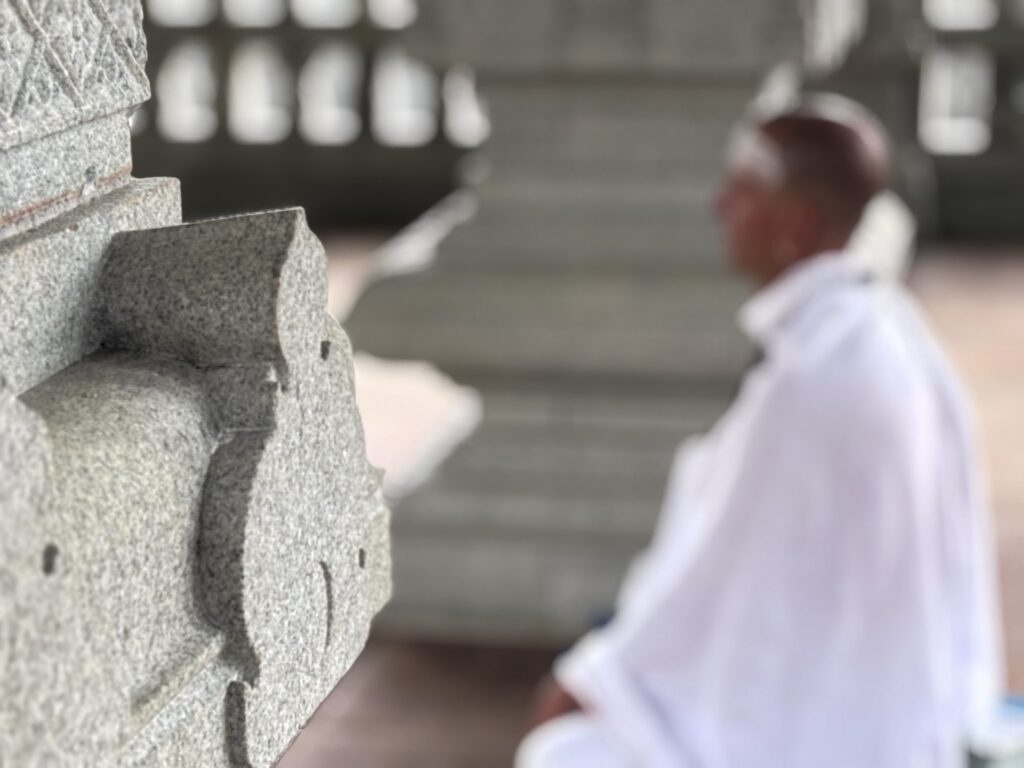
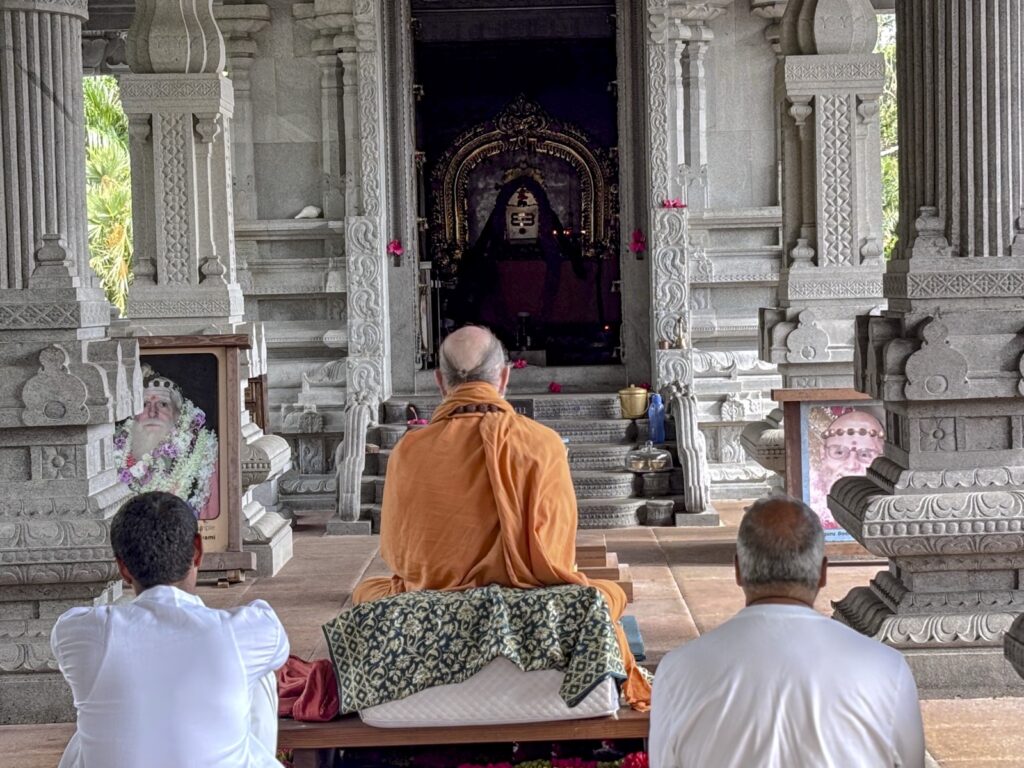
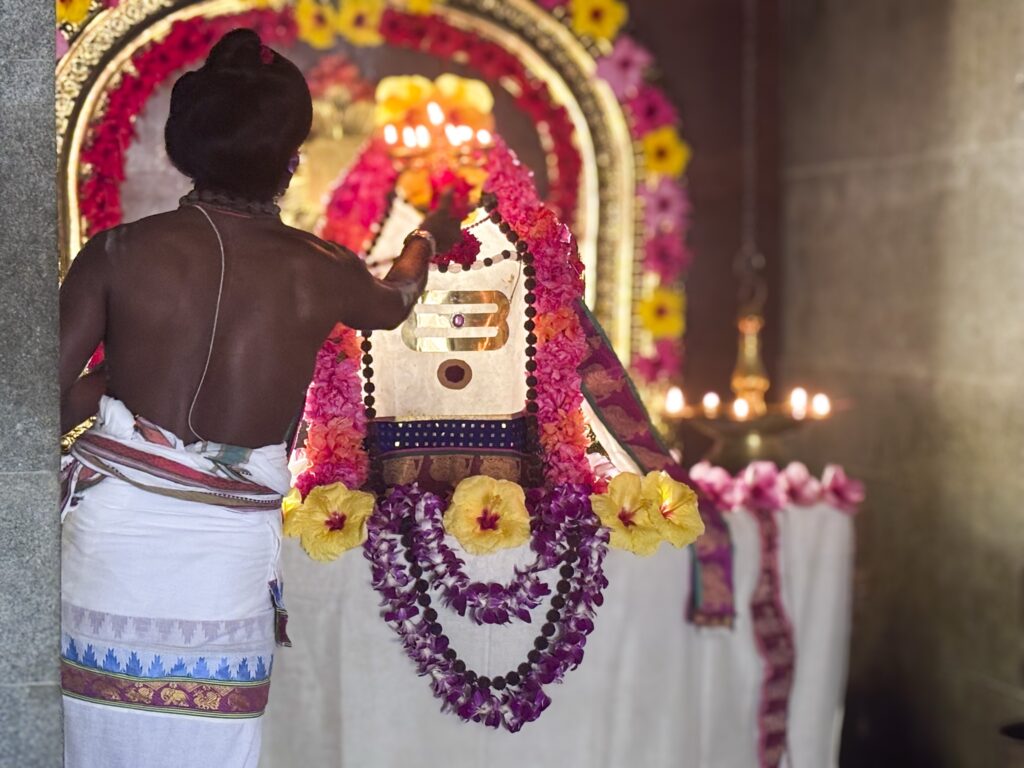
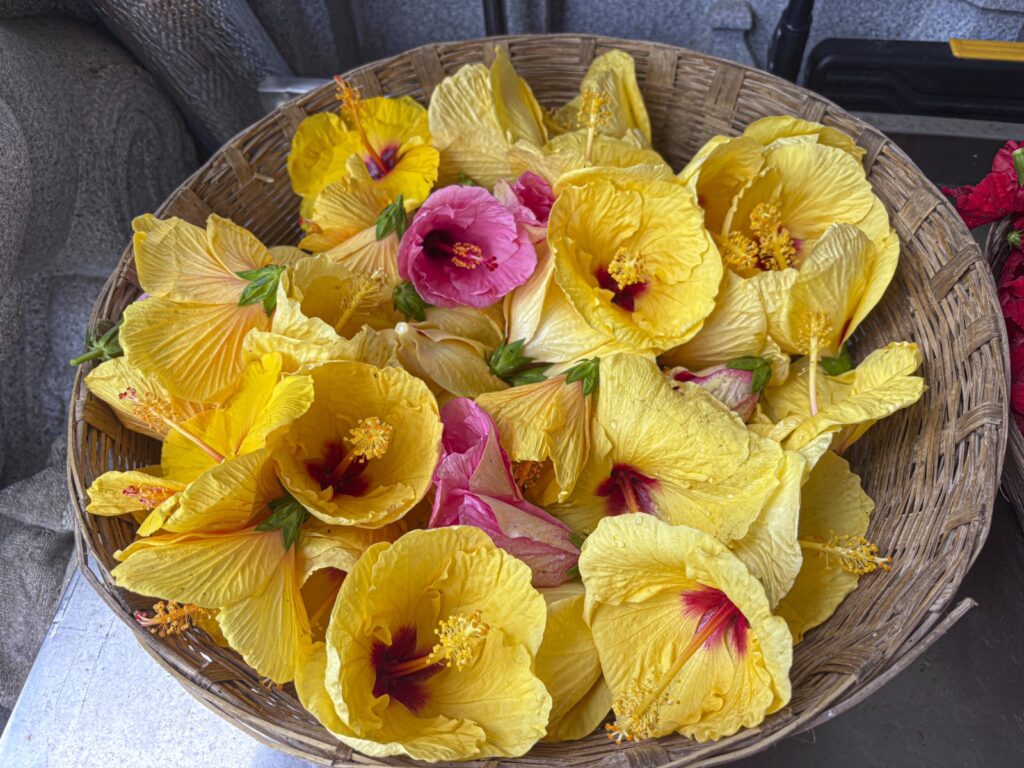
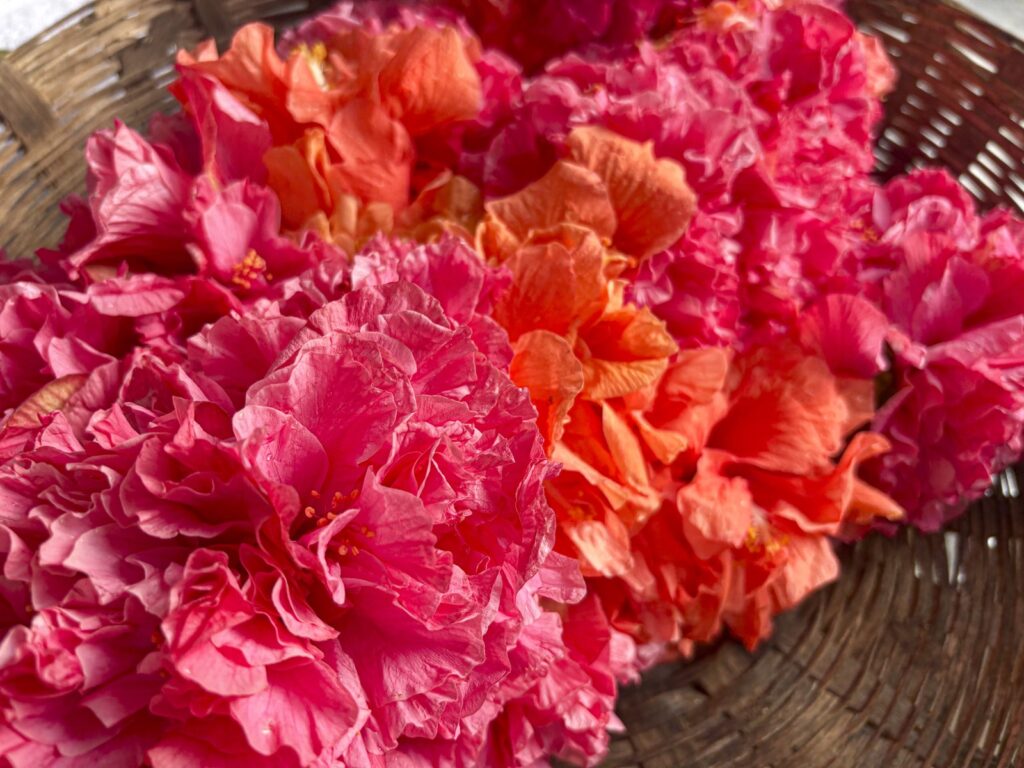
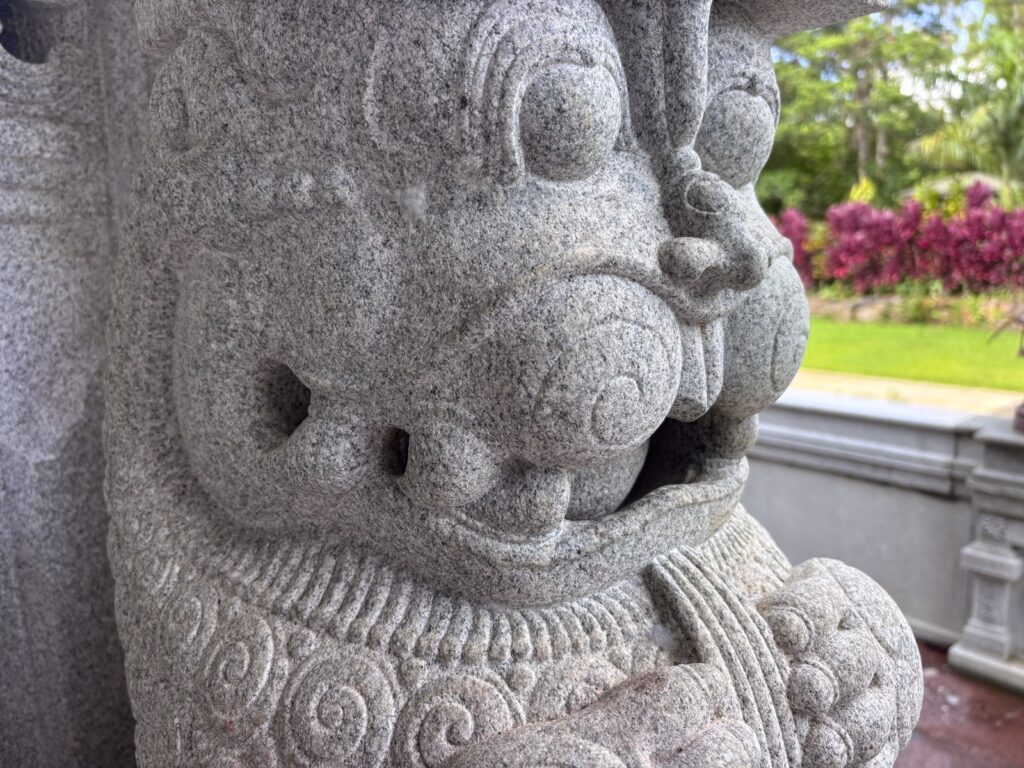
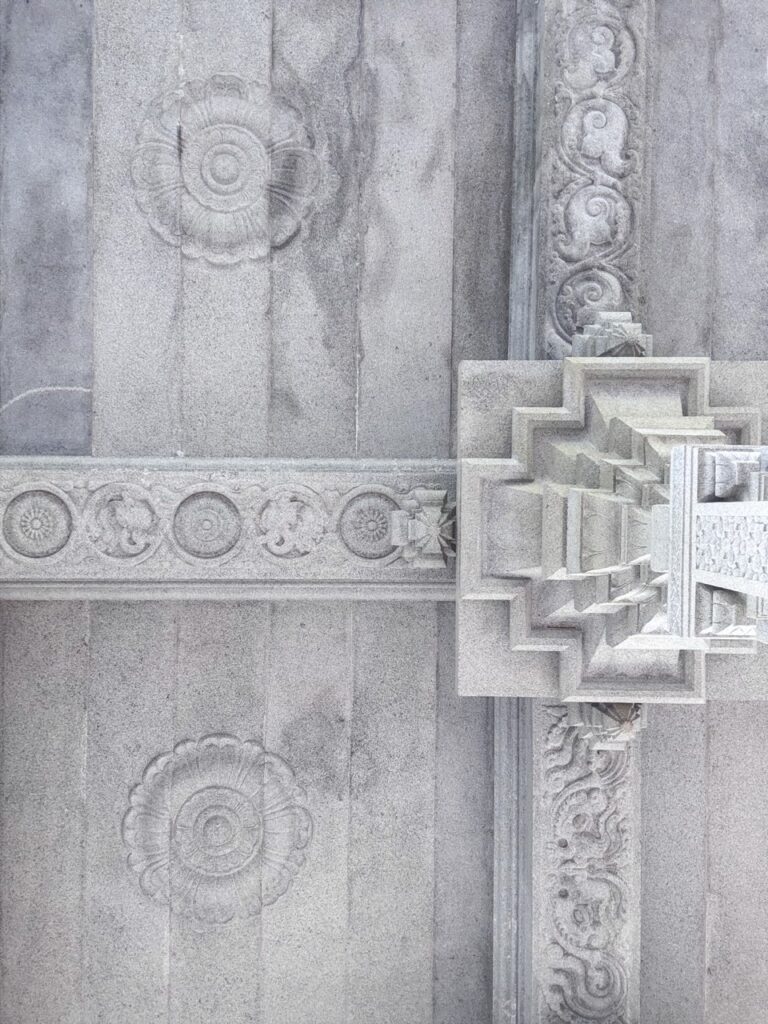
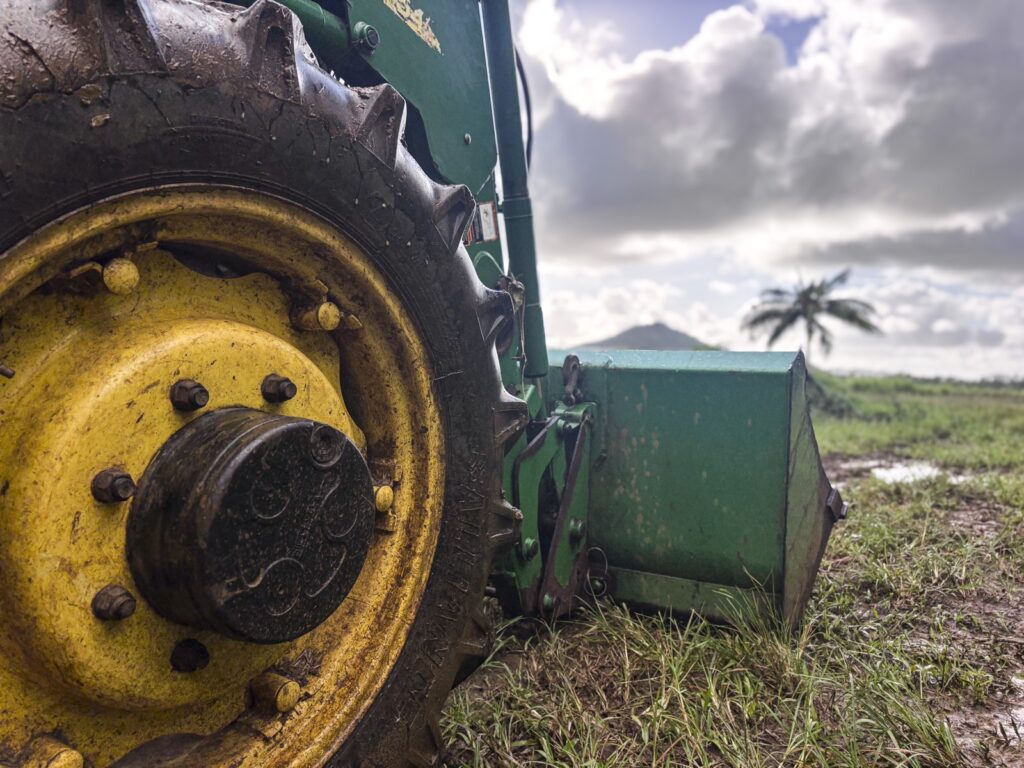
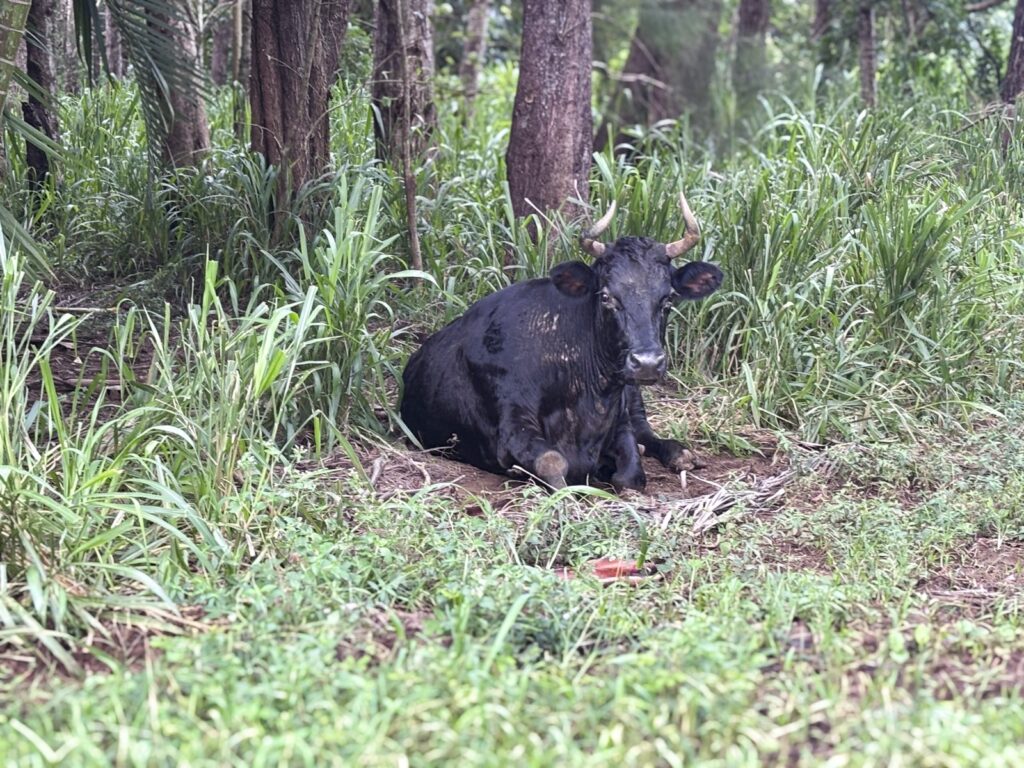
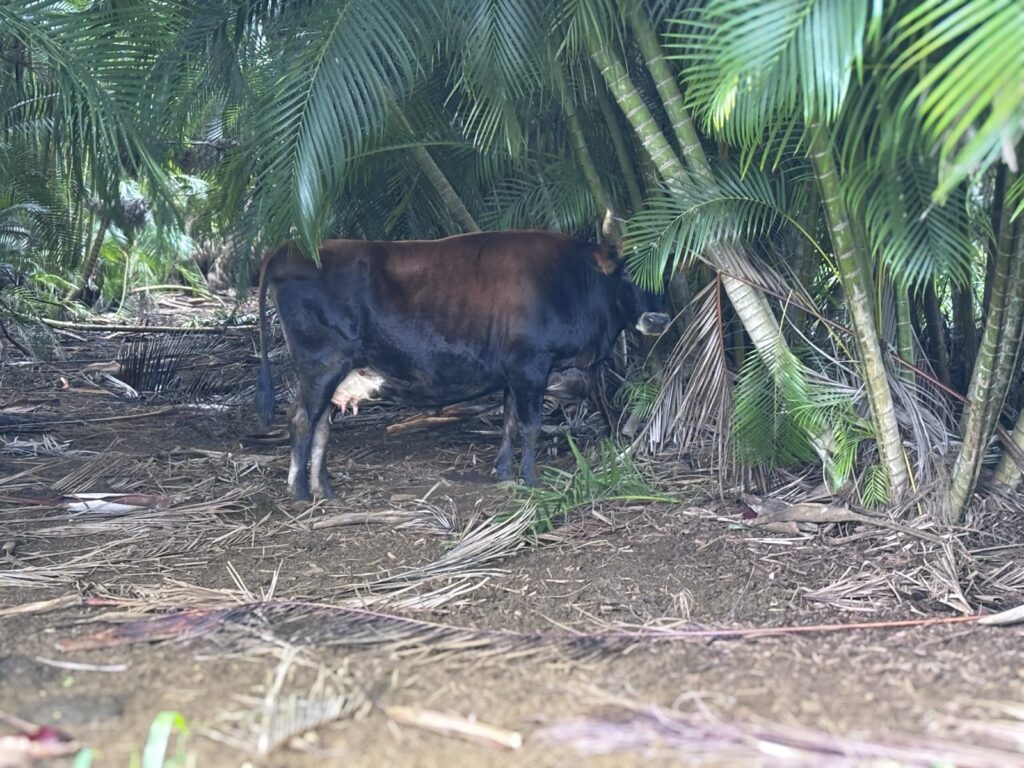
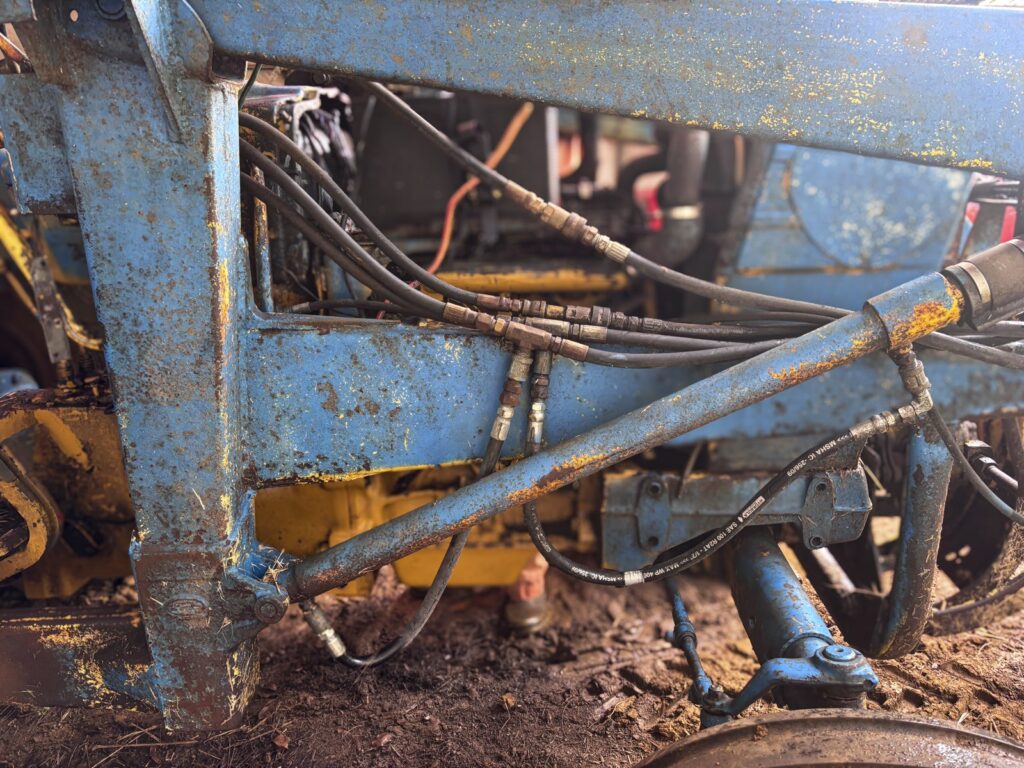
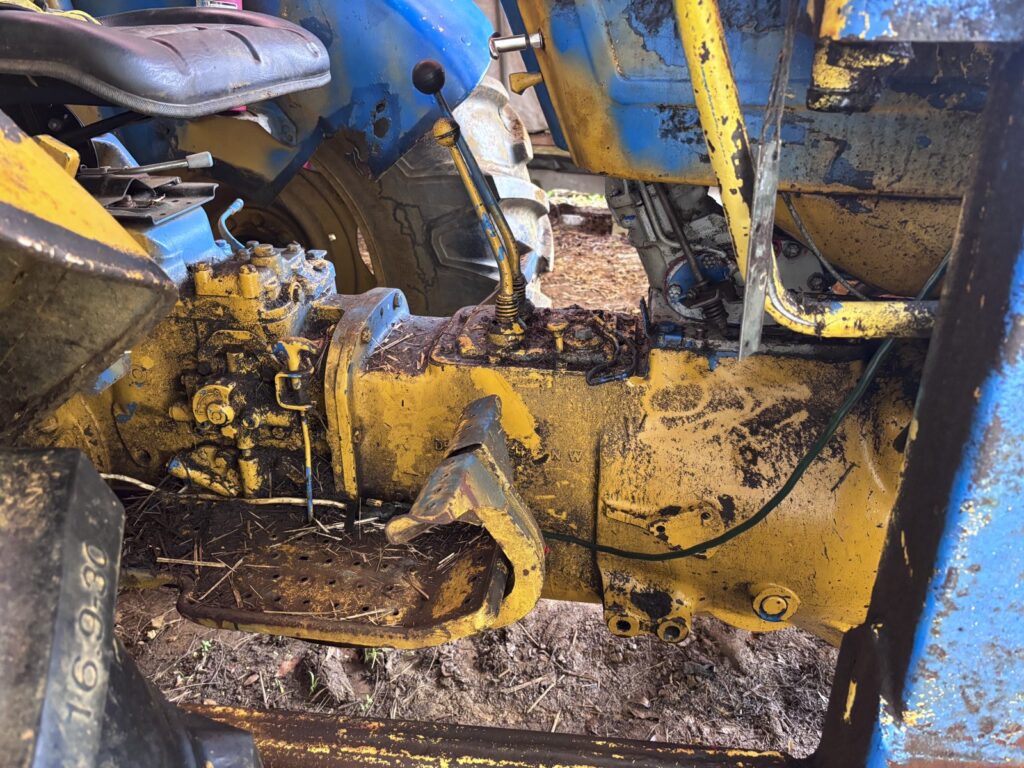
Today at Kauai Aadheenam

Happy Thai Pongal, Everyone!

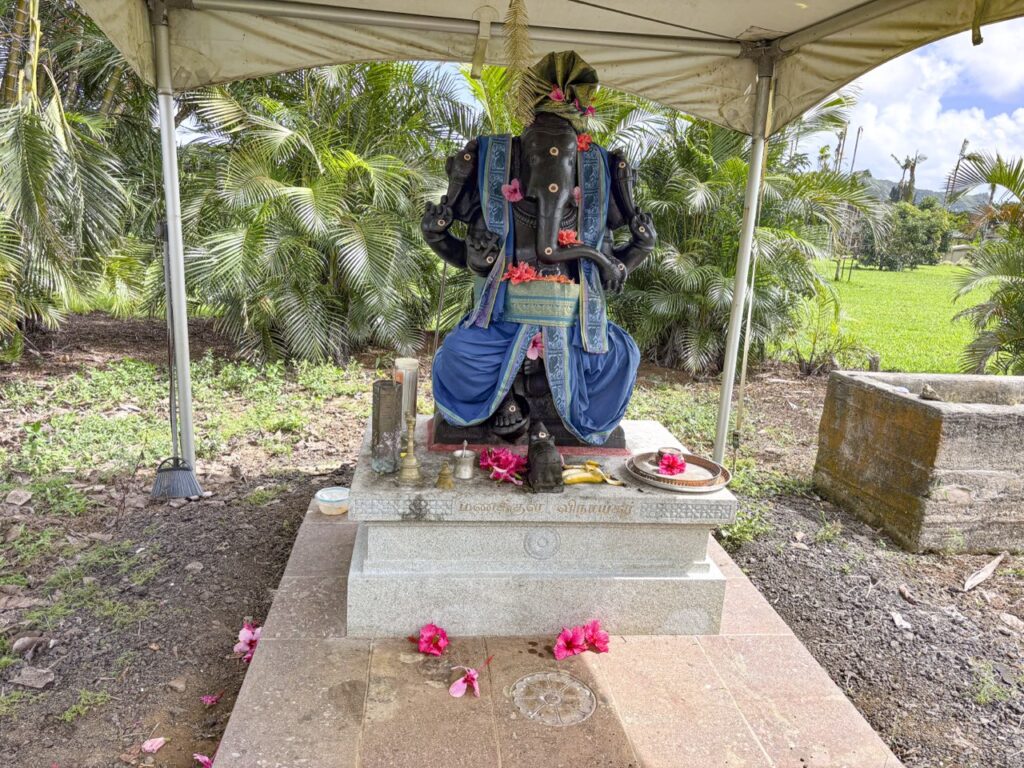
 Yes, today is Thai Pusam. Each year, during January/February, the Tamil month of Thai, millions gather to worship and honor Lord Murugan with fervor. In North America, He has temples in Arizona, Maryland, Toronto, Montreal, Vancouver and California.

HOW IS THAI PUSAM CELEBRATED?

Devotees prepare themselves through prayer and fasting. On the day of the festival, many shave their heads, an act of sacrifice that symbolizes humility and the surrender of vanity. They undertake a pilgrimage to a place where Thai Pusam is being celebrated, usually a temple, while performing acts of devotion and penance. The most notable practices are the carrying of kavadis (“burdens”). Thai Pusam is observed in the Tamil month of Thai, between January 15 and February 15, when the Pushya star cluster, called Pusam in Tamil, rises with the full moon.

WHAT IS THAI PUSAM’S SPECIAL SIGNIFICANCE?

This festival celebrates the moment in sacred legends when Lord Murugan, as the commander-in-chief of the divine army, defeated, using various spiritual powers, a mighty demon named Taraka who was wreaking havoc in all the worlds.

WHERE IS THAI PUSAM CELEBRATED?

This festival is widely celebrated among communities of Tamil peoples in South India, Sri Lanka, Malaysia, Fiji, South Africa, Singapore, Mauritius, the Caribbean and North America. In South India, thousands walk barefoot for days to Palani Hills carrying colorful kavadis. The largest celebrations take place in Malaysia, where it is a public holiday. The temple at Batu Caves, near Kuala Lumpur, attracts a million devotees on that day.

TIDBITS ABOUT THAI PUSAM

What other acts of penance are observed? After fasting and following other spiritual preparations, carriers of kavadi may ask a priest to pierce their bodies with small spears, replicas of Lord Murugan’s vel. Other famous acts of penance include walking on hot coals and wearing nail shoes. It is considered a miracle of faith that fire walkers suffer no burns, and piercings do not bleed or leave scars.

Why are these austerities performed? Fasting, head-shaving and kavadi are acts of devotion and penance to atone for misdeeds, earn spiritual merit and subdue the ego. Such austerities soften and relieve the burdens of karma, guilt, regret and troublesome memories. Through sacred rites and intense prayers, the Deity’s soothing blessings are received into the nerve system of the devotee. Penance, sincerely performed with the help of the angelic worlds, heals mental-emotional wounds and grants release from suffering.

GOD LOVES A PARADE

Hindu festivals often feature a grand parade in which the Deity is taken through the streets. The procession attracts huge crowds, energizing devotees and bringing God’s blessings out to the city from the confines of the temple. It is not the temple’s main Deity image that is paraded, but a smaller statue or symbol. An ornate chariot built of wood and silver is pulled with huge ropes by throngs of devotees. The procession in Kuala Lumpur begins in the heart of the city and proceeds 15 kilometers–a slow, 8-hour journey–to Batu Caves. There the Deity is carried up the flight of 272 steps to the Murugan shrine inside the cave.

Happy Thai Pongal, Everyone! Read More »

Esoterics of Worship, Part Three

Satguru Bodhinatha Veylanswami gives his weekly upadesha in Kadavul Temple at Kauai’s Hindu Monastery in Hawaii. It is part of a series of talks elaborating on the inspired teachings of Satguru Śivaya Subramuniyaswami as found in his book Merging With Śiva.

This is one of the reasons that religious tradition is very, very important. Modern existential thought tells us that we can do anything we want to; we don’t have to follow tradition. Out of such a belief comes a great sense of loneliness, a schism between the individual and all his ancestors, all the generations that preceded him on this planet. Out of such a belief comes the breaking up of culture, society, religion and families. ¶Tradition allows you to go through life’s experiences in a controlled way, rather than just throwing yourself into life and upon life without forethought and preparation. When you respect tradition, you call upon the collective wisdom of tens of thousands of years of experience. When you follow tradition, you share the solutions of untold problems, solved once perhaps before recorded history began in order that future generations might avoid them. Tradition is wisdom of the past inherited by the men and women in the present.

Esoterics of Worship, Part Three Read More »

Building Support Posts

When we acquired an adjacent 17 acres of land many years ago, it came with a wooden house built on stilts. The thick wooden stilts at the outer four outer corners gradually began to disintegrate at the base due to rain damage. It was reaching a state of potential danger, so we hired a team to temporarily prop up each corner of the house so they cut off the bottom section of each wooden pillar and fill that space with concrete. The photos show the nearly-final results, with just some concrete staining left to match the color of the remaining wood pillar.

The third photo shows one of our large banana stalks heading into ripening stage.

Building Support Posts Read More »

A Sunrise from the Sky

Aum Namah Shivaya

When our Kauai Sky is spotted with higher-altitude clouds just before sunrise or sunset, it’s time to grab your camera! Or in this case, our quad copter. While we adjusted exposure, clarity and saturation, there’s no ai touch-ups here. The world really is this beautiful.

“God can only be discovered by God” – Yogaswami

A Sunrise from the Sky Read More »

99th Jayanthi Celebrations at Alaveddy Sri Subramuniya Temple

Jai Gurudeva!

On Monday, the 5th of January 2026, Gurudeva’s ardent devotees celebrated his 99th Jayanthi at Alaveddy Sri Subramuniya Temple. Although Gurudeva is no longer with us physically, he continues to live on through his profound and timeless teachings.

If you live completely each second, you will experience many days inside each twenty-four hours.

Gurudeva

99th Jayanthi Celebrations at Alaveddy Sri Subramuniya Temple Read More »

99th Jayanthi in Sri Lanka

Gurudeva’s 99th Jayanthi: January 5, 1927-2026

Yesterday we softly noted it was January 5th, Gurudeva’s earthly date of birth. It is hard (inconceivable?) for us to imagine this simple fact, and that next year will mark his centenary. Future monks will fall at his feet on his 200th, his 500th and more. This morning we received a sweet report on how the 99th was celebrated at the Batticaloa Orphanage in Eastern Sri Lanka, where they closely live according to Yogaswami’s and Gurudeva’s ideals. The report came with some photos and talks which we share this morning.


Our Morning Was Joyous

The 99th Jayanthi Celebration of Satguru Sivaya Subramuniyaswami was observed with deep devotion and spiritual fervor at the Thirunavukkarasu Nayanar Gurukulam premises. The event brought together children and devotees to honor the life and legacy of the Satguru.

Event Highlights

The day’s proceedings followed a traditional spiritual discipline, conducted according to schedule.

The celebrations commenced in the morning with a Ganapathi Puja. This initial ritual was performed to seek the blessings of Lord Ganesha for the smooth conduct of the Jayanthi and to invoke the grace of the Guru Parampara. The central focus of the spiritual observance was the Guru Padapuja, a profound ritual of worship dedicated to the Thiruvadi, the holy feet of the preceptor. The central focus of the spiritual observance was the Guru Padapuja, a profound ritual of worship dedicated to the Thiruvadi, the holy feet of the preceptor. A beautifully adorned portrait of Gurudeva Sivaya Subramuniyaswami served as the centerpiece of the altar. Framed by vibrant floral garlands and traditional offerings, the portrait radiated peace and divine presence, anchoring the devotion of all those gathered. The ceremony centered on Abhishekam, the sacred bathing ritual. Devotees participated with deep reverence, pouring sanctified substances such as milk, honey and rose water over the sacred Padukas, the holy sandals. In the Hindu tradition, the Padukas, or Thiruvadi, represent the Guru’s feet, symbolizing the foundation of wisdom and the living path of the spiritual lineage. Through this sacred act, devotees express heartfelt gratitude and seek Gurudeva’s blessings to guide them on their inner journey toward realization.

Talk by Kannan Rajaretnam

Sivaya Subramuniyaswami, affectionately known as Gurudeva, was a divine soul who bridged the wisdom of the East with seekers of the West. His life was a testament to the power of the Kailasa Parampara and the transformative nature of unwavering devotion to the Guru.

The Guru Parampara is a Golden Chain. Gurudeva was the 162nd successor in the Kailasa Parampara of the Nandinatha Sampradaya. This lineage represents an unbroken oral tradition of spiritual authority passed from master to disciple. Sri Siva Yogaswami of Jaffna, Sri Lanka, was Gurudeva’s master. Living in a humble hut, Yogaswami taught the four great sayings:

Eppavo Mudintha Kariyam

Naam Ariyom

Muluvathum Unmai

Oru Pollappum Illai

The Initiation

In 1949, Yogaswami gave Gurudeva the name “Subramuniya” and charged him with the mission to build “a bridge between the East and the West.” Guided by a vision of Lord Siva seated upon a large rock, Gurudeva founded Kauai Aadheenam, Kauai’s Hindu Monastery, in Hawaii in 1970. Located on the lush Garden Island of Kauai, the Aadheenam serves as the headquarters for the Saiva Siddhanta Church. Gurudeva’s crowning architectural achievement is the San Marga Iraivan Temple, a white granite Chola-style temple carved entirely by hand in India and assembled in Hawaii. It is fully functioning today, and stands as a symbol of the eternal nature of Sanatana Dharma.

Living with the Monks: The Saiva Siddhanta Yoga Order

Gurudeva established a traditional monastery where a dedicated group of swamis, yogis and sadhakas live lives of strict discipline, meditation and selfless service, Sivathondu. They publish Hinduism Today magazine, manage the monastery’s endowments and provide spiritual guidance to a global congregation. Under Gurudeva’s guidance, the monks serve the world not only through prayer but through modern technology, translating ancient scriptures into digital formats and educating Hindus worldwide. Gurudeva taught that Guru Bhakti is the “fast track” to God-realization. He described the Guru as the remover of darkness, the one who mirrors the disciple’s soul back to itself. True Guru Bhakti is not devotion to personality but the surrender of ego to the light of the Guru’s wisdom. Gurudeva lived as a divine soul who treated every seeker with profound love. He taught that by serving the Guru, the disciple purifies the subconscious mind, allowing the inner light of Siva to shine through. The legacy of Gurudeva continues as a vibrant spiritual force, guiding souls toward their inherent divinity.

“The Guru is the physical representative of the God within you. By being humble to the Guru, you are being humble to your own Soul.”

— Gurudeva Sivaya Subramuniyaswami

Talk by Babu Chandreswaran

The Jayanthi celebration served as a profound tribute to Gurudeva’s spiritual grace, offering devotees an opportunity to reflect on his mission, teachings and the flourishing institutions he founded. Opening the session, Mr. Babu Chandreswaran highlighted Gurudeva’s pivotal role in the global Hindu renaissance. He emphasized that Gurudeva’s core teachings, realizing the Divine within and the steadfast practice of ahimsa, continue to guide both monastics and householders worldwide.

Thirunavukkarasu Nayanar Gurukulam: Then and Now. The presentation traced the humble beginnings of the Gurukulam, established under Gurudeva’s guidance to provide sanctuary and spiritual grounding for orphaned boys. Early challenges were recalled, along with the emphasis on Saivite values and basic literacy. Today, the Gurukulam stands as a model of holistic development, integrating modern academic excellence with rigorous religious training. It prepares children for both secular careers and lives rooted in spiritual discipline.

While Kauai Aadheenam remains the spiritual heart of the mission in the West, Gurudeva’s vision thrives equally in the East. The success of the Gurukulam and the expansion of Saivite activities affirm that his mission transcends borders.

Conclusion

Today’s Jayanthi celebration was a powerful reminder of the eternal bond between Guru and disciple. The growth of the Gurukulam demonstrates a mission that is not only preserved but actively expanding. Under the leadership of Satguru Bodhinatha Veylanswami and the swamis, the lineage continues to manifest Gurudeva’s vision for generations to come. Jai to our Gurudeva!

99th Jayanthi in Sri Lanka Read More »

Scroll to Top